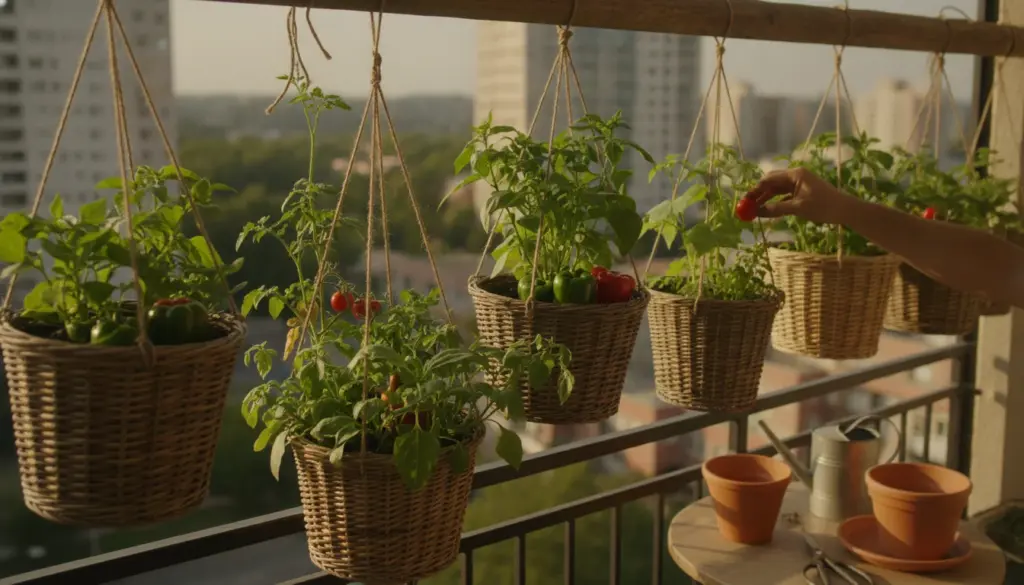
Stop Wasting Your Vertical Space
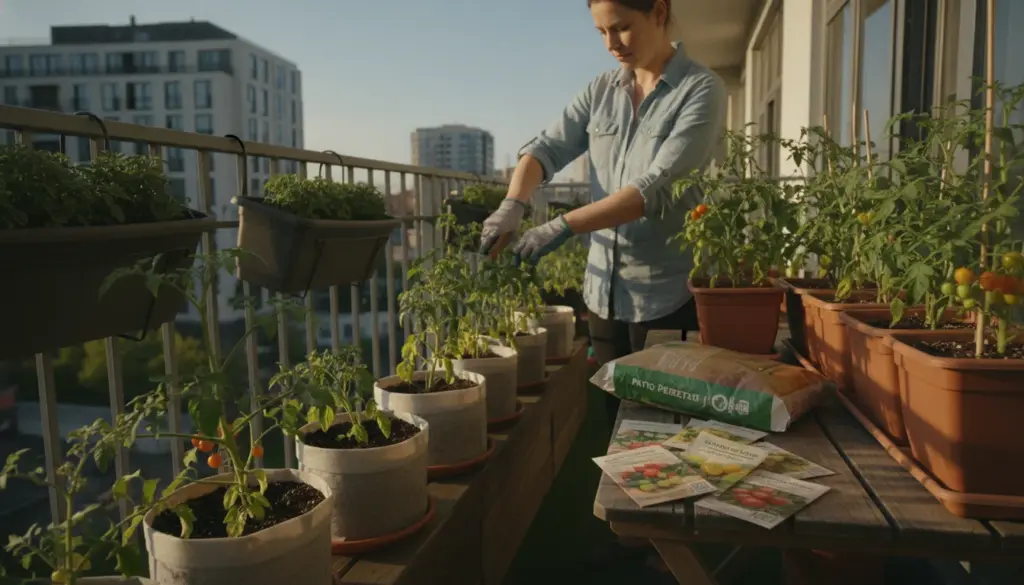
It is time to stop sacrificing prime balcony real estate for delicate flowers that perish within a week. Not having access to a traditional backyard is absolutely no excuse when you can utilize the space above your head. Most people mistakenly believe that cultivating fresh produce requires acres of land, but a simple hanging basket is truly all you need.
Through my own horticultural trials, I once wasted a small fortune on bulky, expensive planters. It turns out that repurposed wicker baskets paired with a little ingenuity actually yield far superior results.
Gravity-Loving Cherry Tomatoes
This is the undisputed champion of suspended container gardening. When selecting seeds, look for dwarf or trailing varieties designed to cascade naturally. The vines will spill beautifully over the edges, allowing you to pluck ripe fruits without ever bending over or battling stubborn weeds.
However, abundant sunshine and consistent moisture are non-negotiable here. Suspended planters lose water much quicker than ground-level pots. If you want to keep your plants thriving during a scorching afternoon, diligent watering is a must. Adding a gentle liquid fertilizer occasionally will also ensure your vines keep producing heavily all summer long.
A Waterfall of Fresh Spinach
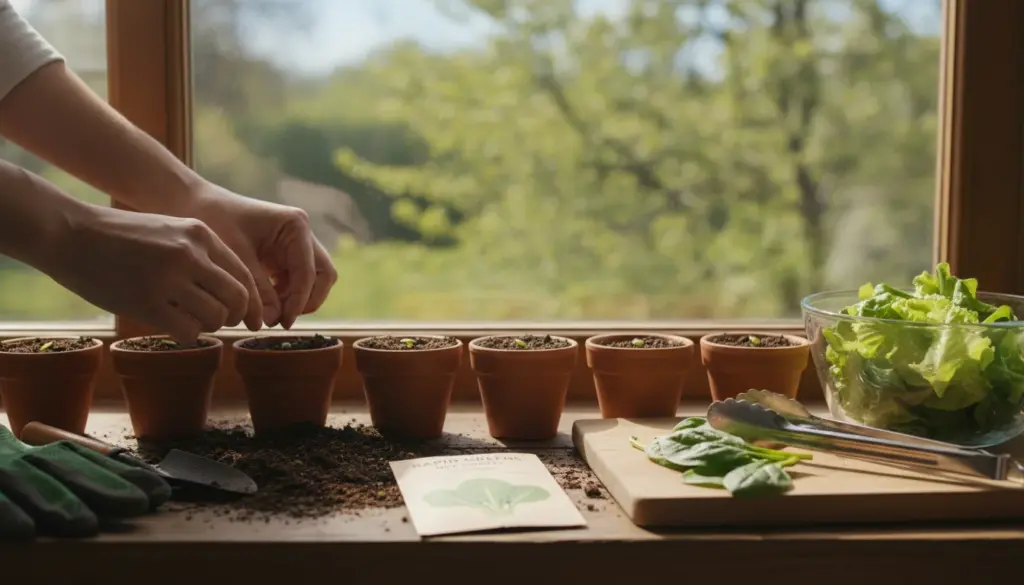
Spinach develops rapidly and completely ignores the need for deep soil. It thrives beautifully in compact hanging setups, provided you maintain adequate moisture levels. Because this leafy green craves cooler temperatures, it performs magnificently during early spring, though mid-summer heatwaves can quickly overwhelm it.
When temperatures spike, simply relocate your planter to a shadier spot. By harvesting only the mature outer leaves, you actively encourage the plant to generate fresh growth. This clever technique guarantees a steady supply of crisp, fresh greens for your daily smoothies and salads.
Cucumbers Dangling from the Ceiling?
If you thought cucumbers had to sprawl across the dirt, think again. Planting compact bush varieties in elevated containers is a brilliant space-saving strategy. The heavy fruits dangle freely in the air, remaining perfectly clean and healthy while avoiding the fungal diseases often found in damp soil.
I honestly wish someone had shared this exact method with me a decade ago when I was struggling with a microscopic apartment balcony!
To succeed, you just need to meet three basic requirements:
- Plenty of direct sunlight throughout the day.
- A strict, robust watering schedule.
- A container that offers a decent soil volume.
Lettuce That Snails Can Never Reach
For beginners exploring vertical setups, this is arguably the most foolproof option available. By planting loose-leaf varieties, you can enjoy continuous harvests for several weeks. Instead of chopping down the entire head, just pinch off the outermost leaves as needed.
The greatest advantage? Hoisting your salad greens high above the ground creates the ultimate barrier against slugs. These ravenous pests rarely scale such heights, ensuring your dinner remains entirely intact. Furthermore, mixing various leaf colors—from vibrant chartreuse to deep burgundy—turns your harvest into a striking professional display.
Swiss Chard: An Edible Masterpiece
Think of Swiss chard as the ultimate garden chameleon. Varieties featuring brilliant red, golden, or neon orange stems frequently outshine traditional ornamental flowers. Beyond its striking looks, this vegetable is remarkably resilient and highly productive.
A single well-tended basket can supply you with essential vitamins for months on end. The secret to continuous yields is routinely snipping the largest leaves to stimulate ongoing development. Whatever you do, prevent the plant from flowering—once that happens, the foliage turns unpleasantly tough and bitter, completely ruining the crop.
Sugar Snap Peas Without the Trellis
Leave the complicated netting and wooden stakes behind. Short-vining sugar snap peas will effortlessly tumble over the rim of your hanging planter. Because the pods dangle neatly in mid-air, spotting and harvesting them becomes incredibly simple.
This makes an exceptional choice for early spring planting, as peas easily tolerate light, unexpected frosts. Visually, it looks stunning when the cascading vines burst into delicate white blossoms. Above all, the sweet crunch of a freshly picked pea right on your balcony is simply unmatched.
Spicy Peppers to Heat Up Your Balcony
Bushy chili pepper plants seem practically tailor-made for elevated containers. As the spicy pods mature, they shift through a spectrum of colors, creating an incredible visual centerpiece. It is entirely possible to showcase vivid purple, bright yellow, and fiery red peppers simultaneously on a single plant.
Keep two vital rules in mind for a successful harvest:
- Peppers despise the cold, so only move them outdoors once all danger of late spring frost has completely passed.
- They demand routine feeding with a quality tomato or pepper nutrient blend.
Without sufficient sunlight, your harvest will end up surprisingly small and lack that signature fiery kick.
The Secret to Container Success
Selecting the right liner for your elevated setup is a make-or-break decision. While traditional coconut coir looks incredibly rustic and charming, it drains water almost instantly. For a much easier experience, try placing a lightweight plastic pot with good drainage holes directly inside your decorative basket, saving you from having to water everything three times a day.
Have you figured out which of these delicious crops will be hanging around your home this season?