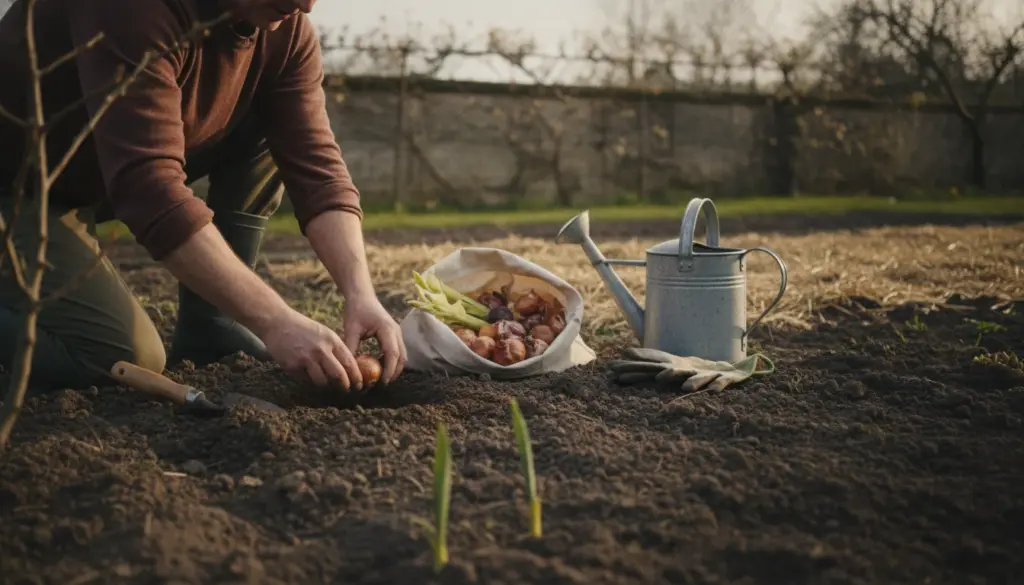
Even though your outdoor space might still look a bit wintry, early spring is the perfect window to establish your summer color palette. Spending just an hour with a trowel and watering can right now will yield spectacular rewards by July and August. Getting those tubers into the ground while the soil remains cool and damp allows them to develop robust root systems well before the intense heat arrives.
Why early spring is a golden window for planting
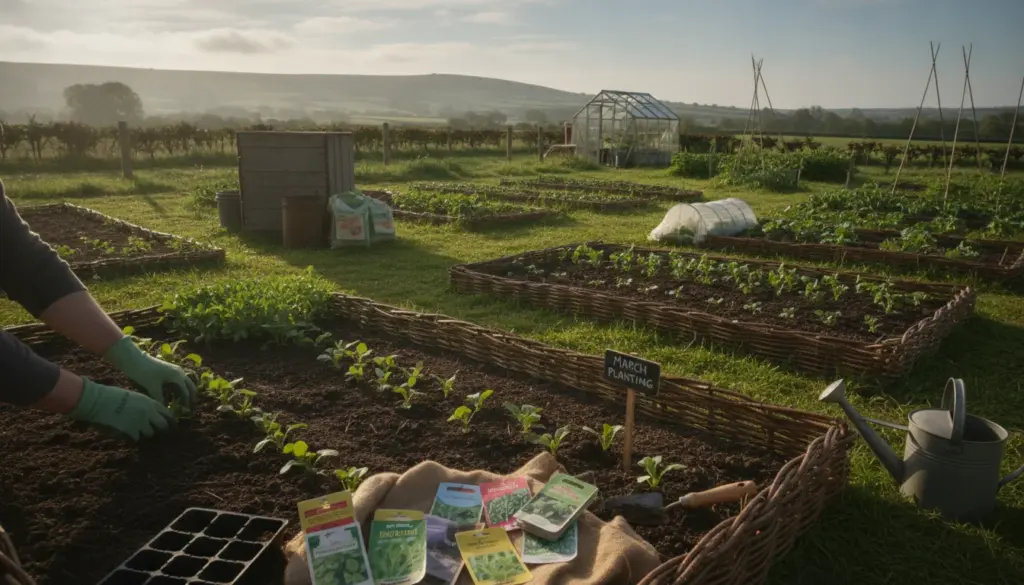
March truly acts as a magical month for horticultural planning. The earth is gradually warming up, yet it retains plenty of essential moisture from the winter season. This specific combination gives summer-flowering varieties a massive head start. They anchor themselves more effectively, acclimatize faster, and ultimately tolerate drought conditions much better during peak summer.
By getting started now, you effectively push your blooming timeline forward and maximize the potential of every square foot in your yard. In regions with milder climates, you can easily begin during the first few weeks of the month. If you reside in colder or higher-altitude areas, holding off until late March or April is a safer bet, or you can start them in containers under a patio roof.
Because late spring frosts always pose a threat, a little preparation goes a long way. Simply keeping horticultural fleece or leaf mulch on hand will easily protect those vulnerable early shoots from unexpected temperature drops.
How to plant summer-flowering bulbs this spring
Flourishing displays always start with high-quality stock. Look for firm, solid specimens that are completely free of soft patches, fungal spots, or overly brittle, dried-out scales. Until they are ready for the soil, keep your stash in a cool, dry environment. Avoid plastic bags entirely; instead, opt for breathable cardboard boxes or paper sacks.
Step-by-step planting guide
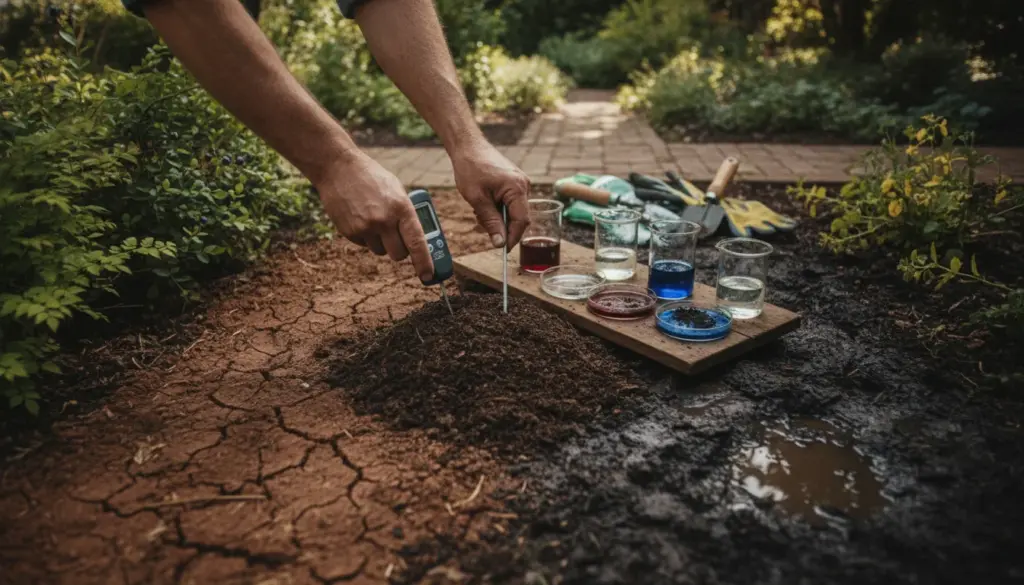
- Prep your soil: Break up the dirt to at least the depth of a spade and thoroughly mix in some well-rotted compost.
- Ensure proper drainage: Standing water is a bulb’s worst enemy. For soggy spots, consider creating a raised border or blending in extra horticultural sand.
- Calculate the depth: A solid rule of thumb is burying them at two-and-a-half to three times their own height. For example, a two-inch specimen belongs roughly five to six inches underground.
- Orient them correctly: Place the pointy side facing up and the flat basal plate down. If you are ever in doubt, just lay it sideways; the growing shoot will naturally orient itself toward the surface.
- Space them out: While package directions are helpful, aiming for a distance of three to four times the width of the bulb generally works perfectly.
- Provide initial moisture: Give the bed one generous soaking immediately after planting, then maintain a slightly damp environment moving forward.
Towering varieties frequently require structural support. Install your stakes at planting time to avoid accidentally piercing the underground growth later on. Finally, applying a protective mulch layer made from wood chips, straw, or shredded foliage will do wonders for maintaining cool, hydrated soil.
7 vibrant varieties for an unforgettable summer display
When you mix and match the right species, you can easily stretch your blooming season from early June well into late October. These seven specific varieties guarantee a vibrant, nearly continuous floral performance.
1. Dahlias: Relentless color until late autumn
Dahlias are undisputed champions when it comes to prolific flowering. From mid-summer right up until the very first frost, they pump out blossoms ranging from compact, spherical pompons to massive, dinner-plate-sized decorative blooms. They perform brilliantly in traditional beds, yet they look equally stunning in large patio containers.
A fantastic horticultural secret is that the more flowers you snip for indoor arrangements, the more buds the plant will produce. Make sure to position the tubers so the remnants of the old stem sit just beneath the soil surface. Providing a sun-drenched location with nutrient-rich, airy dirt guarantees thick stalks and resilient petals, provided you water them consistently during dry spells.
2. Lilies: Vertical elegance and rich fragrance
If your landscape lacks architectural structure, lilies provide tall, perfectly straight stems topped with visually striking, incredibly fragrant blossoms. Depending on the specific cultivar, you can expect their glorious display to peak anywhere between June and August.
These majestic plants thrive in full sun to partial shade, demanding excellent drainage above all else. Bury them quite deeply—roughly three times their height—to anchor those towering stalks firmly. Growing them in portable pots allows you to shift them closer to seating areas, letting you fully appreciate their intoxicating perfume.
3. Tuberous Begonias: The ultimate shade heroes
While most summer favorites constantly chase the sun, the tuberous begonia prefers the gentle relief of partial or full shade. This makes them the ultimate candidate for planting under mature trees, along the darker sides of your home, or in balcony planters positioned beneath a roof.
Expect a gorgeous show from July straight through autumn, featuring single or double blooms in shades of crisp white, yellow, fiery orange, pink, or deep red. Plant these shallowly with their concave side facing the sky, utilizing a porous, nutrient-dense potting mix. Keep a close eye out for slugs, as they absolutely adore snacking on the tender, fleshy new growth.
4. Gladioli: Striking vertical spears
Gladioli inject a much-needed vertical dynamic into flat landscapes, offering towering floral spikes in virtually every shade imaginable. They are highly prized as cut flowers and effortlessly disguise empty, awkward gaps near the back of your yard.
For the most dramatic visual impact, cluster the corms together rather than spacing them out evenly in a line. They achieve their most brilliant coloration when bathed in direct sunlight. If your property is prone to heavy winds, those elongated stems will definitely appreciate being gently tied to a hidden support rod.
5. Cannas: Tropical drama and bold foliage
If you want to create a lush, vacation-like atmosphere at home, cannas are absolutely essential. Their visual appeal isn’t just about their brilliant orange, red, or yellow blossoms; they are equally cherished for their massive, frequently striped or ruby-tinted leaves.
They require heavy sunlight alongside a rich, moisture-retentive, yet freely draining environment. When planted directly in the ground, they expand into substantial clumps that suit both ultra-modern and wildly overgrown garden styles. For those facing harsh winters, digging up the rhizomes before the freeze and storing them in a protected space is a necessary chore.
6. Crocosmia: Delicate arches in fiery tones
Often referred to as montbretia, crocosmia produces elegant, sword-like foliage accompanied by gently arching stems loaded with vivid red, orange, or bright yellow blossoms. The overall aesthetic is incredibly airy, making it a spectacular companion for ornamental grasses and hardy perennials.
A sunny spot paired with relatively light, uncompacted dirt yields the most impressive floral show. In areas experiencing mild winters, you can safely leave the corms buried year-round. If you anticipate deep freezes, laying down a generously thick blanket of mulch will keep them perfectly safe.
7. Agapanthus: Mediterranean charm in blue and white
Widely known as the African lily, agapanthus delivers sophisticated, globe-shaped clusters of striking blue or pure white flowers. They look absolutely flawless lining a driveway in decorative urns, but they are just as happy planted directly in sheltered backyard borders.
This sun-worshipping variety despises sitting in waterlogged winter soil. Cultivating them in containers offers a massive advantage, allowing you to easily wheel them into a cool, frost-proof garage when temperatures plummet. During their active summer growth phase, consistent feeding and watering are crucial to encourage a heavy bloom.
Maximizing your early planting strategy
Making a few calculated decisions now will help you squeeze significantly more impact out of a single batch of bulbs. Take a few moments to visualize your desired color palettes, mature plant heights, and specific flowering windows before digging your first hole.
By deliberately layering different sizes, you prevent low-growing varieties from getting swallowed by towering giants like cannas and dahlias. Always position the tallest species in the rear, medium-sized ones in the center, and ground-hugging types near the edges. You can replicate this exact technique in your planters: place a statement piece in the middle, surround it with mid-sized blooms, and let trailing varieties spill over the rim.
Adapting to microclimates and local pests
Climates can vary wildly even within the same geographic region. Coastal properties typically see their soil warm up much faster than inland territories. If you live in a notoriously cold, damp area, or if the dirt still feels like freezing mud, simply delay your planting schedule by a week or two.
Wildlife interactions are another crucial variable to keep in mind. While mice and hedgehogs generally ignore summer bulbs, hungry slugs will quickly decimate the delicate young shoots of begonias and dahlias. Protect your investments by creating rough barriers using coarse sand or recycled coffee grounds, and regularly inspect container edges to stop infestations before they start.
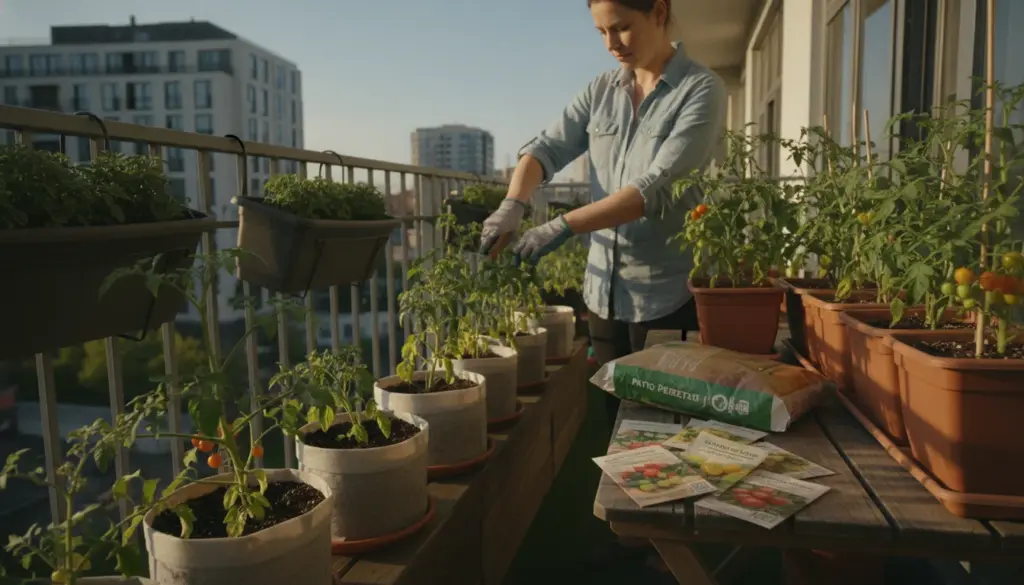
Even if you are working with a tiny outdoor footprint, container gardening offers immense potential. A single, generously sized tub packed with assorted summer varieties instantly transforms a barren balcony into a lush seasonal retreat. Just insist on premium potting soil enriched with compost, ensure your containers have adequate drainage holes, and utilize saucers to catch and hold extra water during intense heat waves.
By taking action this March and carefully curating these seven resilient varieties, you are setting the stage for a spectacular, low-maintenance landscape that will turn heads all summer long.