Tossing leftover pumpkin skins into the compost bin is a complete waste of valuable nutrients that would normally cost a fortune at the garden center. While whipping up a cozy autumn soup, most people instinctively discard that tough outer rind, completely unaware they are holding a botanical treasure. With pumpkin season hitting its peak, repurposing these scraps is a much smarter move than sending them to the landfill. As a seasoned plant enthusiast, I can tell you this isn’t some mythical gardening hack, but rather basic biology that can transform your potted greens into a thriving indoor jungle.
Your Soil Will Revive Thanks to Hidden Minerals in the Rind
Pumpkin skin acts as a highly effective, slow-release vitamin bomb for your potting mix. As these organic scraps begin to break down, they infuse the dirt with a steady supply of potassium, calcium, and magnesium. This specific trio of essential minerals is exactly what flora needs to develop robust root systems, preventing them from withering away at the first sign of stress.
In horticultural practice, consistently amending soil with these peels is known to dramatically upgrade the substrate’s overall structure. The dirt becomes noticeably fluffier and retains hydration much more efficiently, creating the ultimate breeding ground for beneficial microorganisms. So, instead of stressing over depleted, barren soil in your older planters, simply introduce this natural organic matter to bring it back to life.
Why Your Garden Desperately Needs Pumpkin Recycling
While the list of benefits is incredibly long, let’s focus on the tangible, visible improvements you will actually observe in your pots:
- Chemical-free nourishment: You are enriching the substrate completely naturally, avoiding harsh synthetic additives entirely.
- Enhanced biological activity: The dirt practically pulses with microbial life, directly boosting overall fertility.
- Superior water retention: These rinds help lock in moisture for extended periods, which is an absolute lifesaver for houseplants battling dry indoor heating during the winter months.
- Rescue for depleted dirt: It provides an effortless way to regenerate old, tired soil that has lost its natural vigor.
A Simple Trick for Free Fertilizer Without Odors or Gnats
A common fear among indoor gardeners is that decaying vegetables will invite unwanted pests, but following a few basic rules prevents this entirely. Speaking from early experience, leaving massive chunks of rind exposed on the surface is a guaranteed way to attract every fungus gnat in the neighborhood. However, applying a slightly more strategic approach ensures a completely pest-free process.
Here is exactly how to execute this pumpkin treatment properly:
- Chop the leftover skins into very small pieces to rapidly accelerate the decomposition phase.
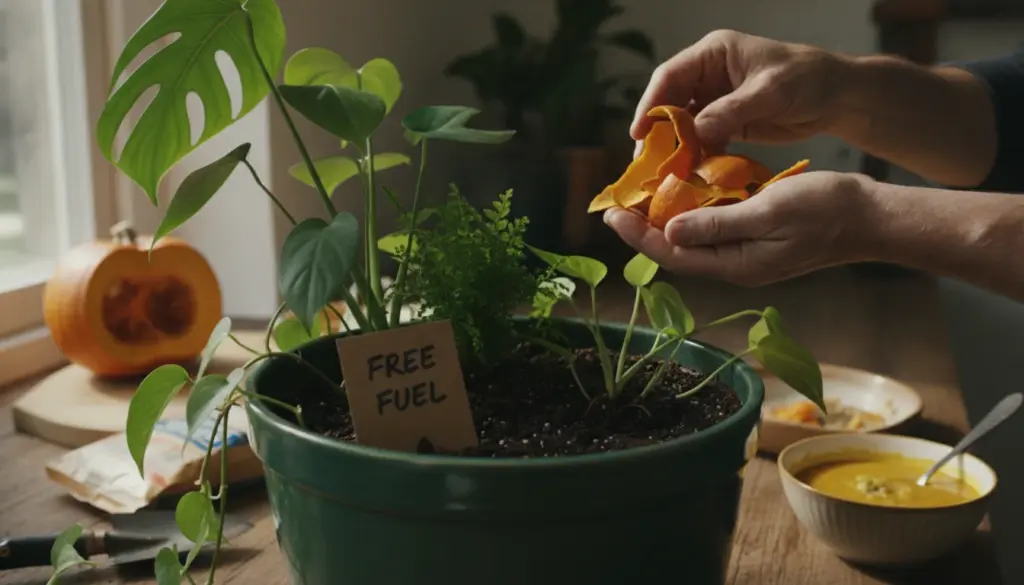
- Blend these tiny chunks thoroughly into the dirt, or create a hidden layer just beneath the surface soil.
- For maximum safety, always bury the scraps about two to four inches deep (5 to 10 cm). This completely eliminates any risk of foul smells or insect infestations.
- If you are not in a rush, toss the scraps into your compost bin first, then feed your greenery with the fully processed, nutrient-dense humus later.
Tomatoes and Marigolds Will Go Crazy for This Free Food
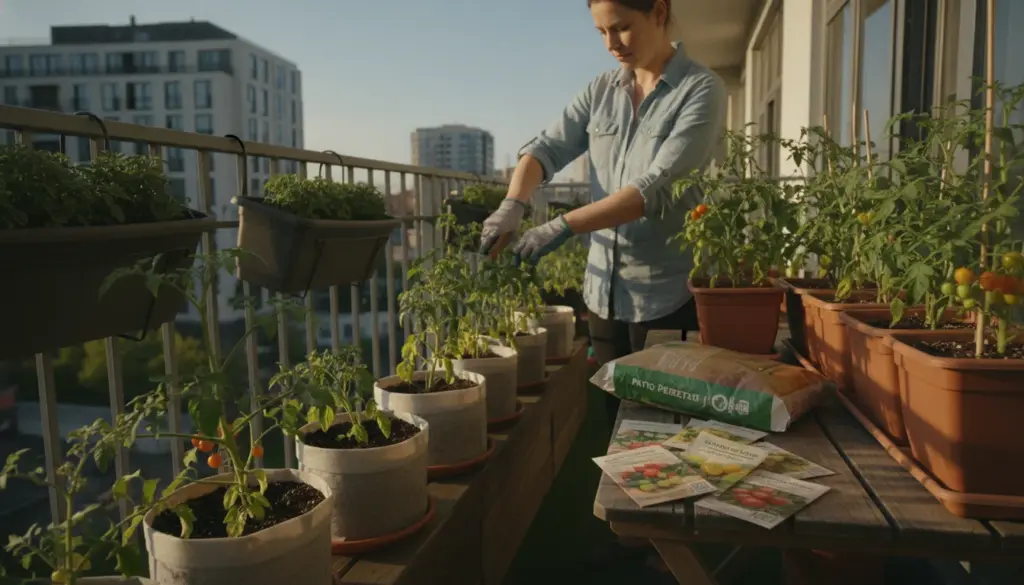
This zero-waste feeding technique is incredibly versatile, working beautifully for delicate windowsill blooms and backyard vegetable patches alike. It is highly recommended for urban gardeners trying to cultivate their own food in small spaces. Any crop that craves high doses of potassium will respond with an almost immediate, visible strengthening of its stems.
You will witness the most spectacular results when treating tomatoes, peppers, and marigolds. Even standard houseplants that look entirely drained of life will bounce back remarkably after absorbing this surge of natural minerals. Truly, any potassium-loving botanical will showcase a stunning transformation within just a few weeks. Have you ever experimented with vegetable scrap fertilizers, or do all your peels strictly go to the compost heap?