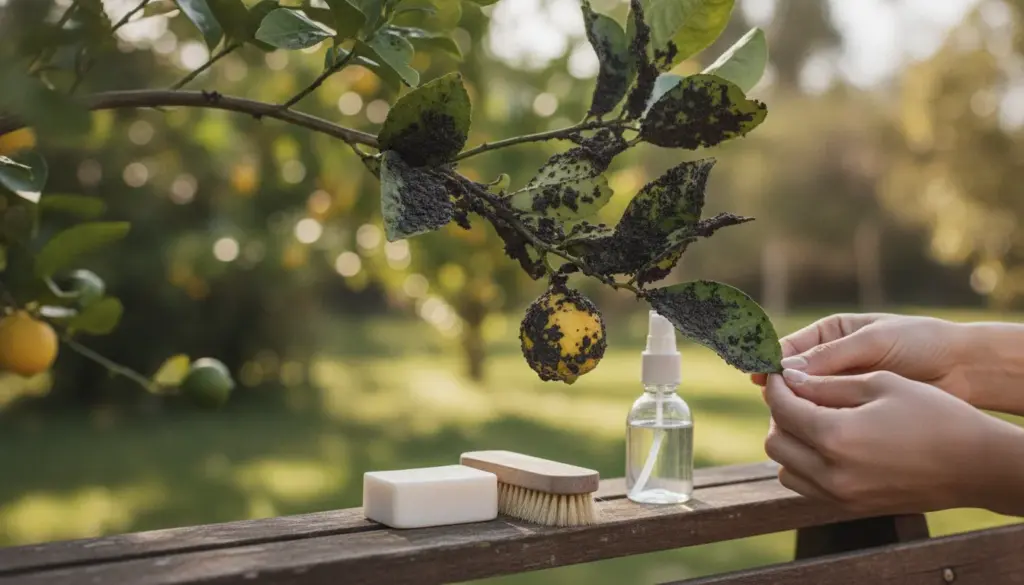
The Hidden Threat on Your Citrus Leaves
That dark, sticky grime coating your lemon tree’s foliage isn’t just ordinary household dust. If left untreated, it serves as a rapid death sentence for your beloved citrus plant. While many indoor gardeners rush out in a panic to purchase costly chemical fungicides, the actual cure is incredibly simple and likely sitting near your sink right now.
Growing these Mediterranean beauties is incredibly rewarding, yet neglecting basic leaf hygiene can completely destroy any hopes of harvesting your own homegrown fruit. Fortunately, an everyday bar of plain gray soap is often all you need to reverse the damage.
A Budget-Friendly Mixture That Outperforms Expensive Sprays
The unsightly dark fungus—frequently recognized as sooty mold—doesn’t just materialize out of thin air. It is a direct consequence of sap-sucking pests like aphids and scale insects. These tiny invaders secrete a sugary substance called honeydew, which creates the ultimate breeding ground for fungal diseases.
Proper citrus cultivation relies on one fundamental rule: you must eradicate the underlying insect infestation first. Otherwise, the fungal infection will bounce back repeatedly, no matter how vigorously you scrub the greenery. The treatment process is incredibly straightforward and practically free.
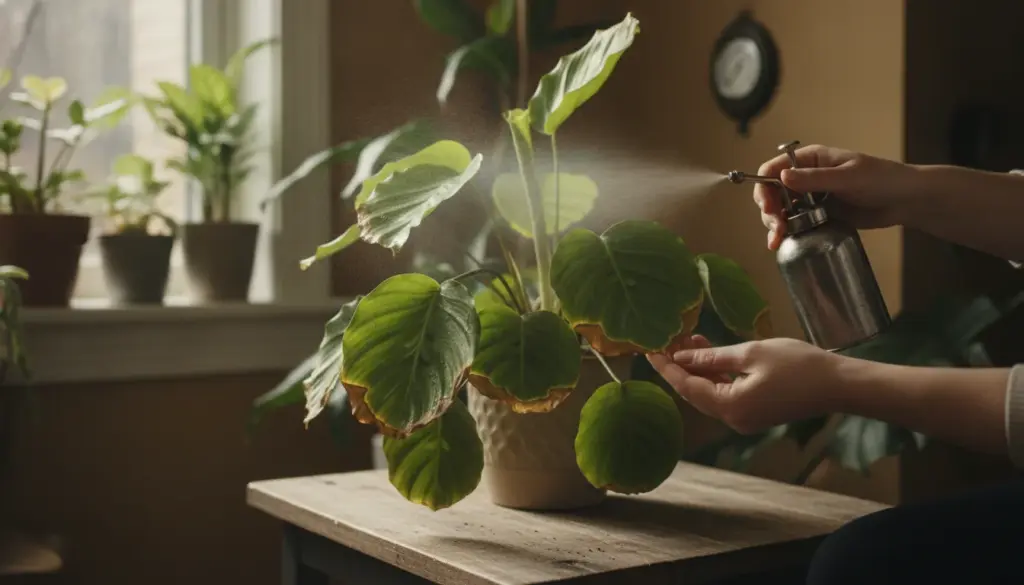
Simply dissolve one tablespoon of mild, neutral soap into a single liter of lukewarm water. Take a soft cloth, dip it into this gentle solution, and carefully wipe down the affected areas. However, timing is everything with this botanical intervention.
Always apply this treatment in the evening. Combining harsh sunlight with soapy residue will severely scorch the delicate foliage beyond repair. By repeating this gentle cleansing routine every two weeks, your potted tree will finally be able to breathe again.
This DIY approach offers an exceptional dual-action benefit. It effectively smothers the insects generating the sticky sap while simultaneously washing away the thick fungal layer. Unlike aggressive synthetic chemicals, mild soap preserves the leaf structure, ensuring the plant can carry out essential photosynthesis. Without this vital biological function, your lemon plant will rapidly wither away.
Forgotten Natural Shields for a Thriving Garden
When whiteflies or aphids decide to attack your potted orchard, reaching for toxic pesticides isn’t your only option. Neem oil serves as a brilliant organic defense mechanism. It specifically targets the nervous systems of invading bugs while remaining completely harmless to humans and the developing harvest.
Alternatively, you can rely on traditional botanical brews made from steeped garlic or tobacco leaves. Their pungent aroma acts as a highly effective, natural evacuation signal for unwanted pests.
To keep your citrus vigorously healthy, incorporate these proactive care habits into your routine:
- Inspect the undersides of the foliage regularly, as this is the primary hiding spot for microscopic invaders.
- Eradicate small, isolated pest colonies instantly using a cotton swab lightly dipped in rubbing alcohol.
- Avoid aggressive watering schedules, because soggy soil and excess moisture create an open invitation for mold.
- Maintain excellent air circulation around the canopy, which is especially crucial when bringing the plant indoors for winter dormancy.
Keeping those broad leaves pristine isn’t simply an aesthetic choice. It is the absolute foundation of plant vitality, giving your tree the energy required to produce abundant, juicy lemons. Have you ever noticed these strange dark spots on your own citrus plants?