July is the turning point of the allotment and cottage garden year. Suddenly, prime spaces are opening up: the garlic has been lifted, the early peas are finished, and the spring radishes have long since been tossed into salads. But what to do with the bare soil? Leaving it empty is a missed opportunity. It is the perfect moment to breathe new life into your beds with a splash of late-summer colour.
Sowing in July is a brilliant move. Because the soil is thoroughly warm, germination happens at lightning speed, and you completely bypass the worry of late spring frosts. Everything is fast and straightforward: sow, water, and wait for the buds to swell.
Moreover, there is nothing quite like the joy of stepping out into your garden in September—when the surrounding trees are beginning to turn golden and drop their leaves—and seeing a vibrant, living tapestry of colour. It is a real tonic for the eyes and a treat for the soul.
🌼 Cosmos — A Carefree Beauty with Bagloads of Charm
If you have never tried sowing cosmos in July, you are in for a wonderful surprise. It germinates rapidly, grows without any fuss, and in just 40–50 days, it will start showing off its delicate, daisy-like star flowers. Dwarf varieties are particularly brilliant for late sowings; they stay compact, won’t topple over in late-summer gusts, and require no staking whatsoever.
Sow directly into loose, well-prepared soil. You can lightly cover the seeds with a fine layer of compost or leaf mould. The main rule is to avoid overwatering, especially during a heatwave; cosmos hates having “wet feet”. Sunlight, however, is its absolute favourite. The more sun it gets, the bushier and more prolific the flower display will be.
Old hand’s tip: To keep your cosmos blooming well into autumn, make sure you deadhead the faded blooms regularly. The plant will put all its energy into producing a non-stop supply of fresh buds.
🌿 Calendula (Pot Marigold) — Beautiful, Hardy, and Brilliant for the Plot
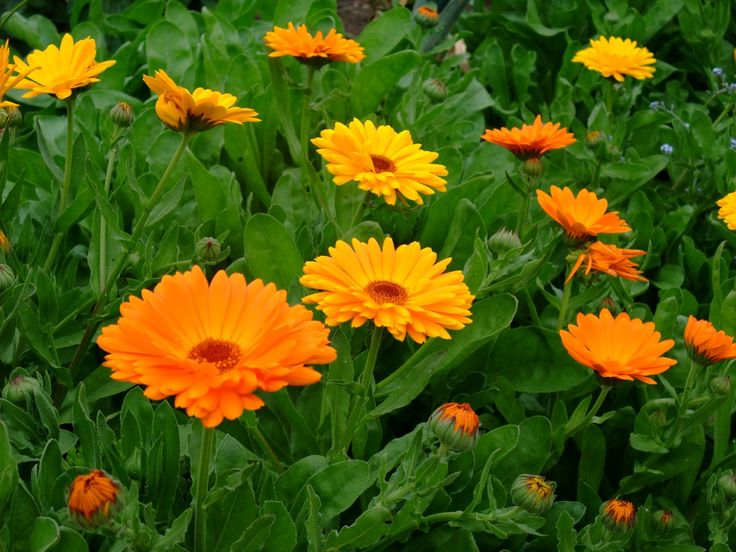
Oh, calendula… like little splashes of sunshine in the borders. It grows incredibly fast, laughs off the late-season chill, and by September, it will have created carpet-like drifts of bright orange and yellow flowers. Even better, it’s a classic kitchen garden herb! While you enjoy the view, you can harvest the petals to dry for herbal teas, homemade skin salves, or baking.
Sowing in July is as easy as pie: simply make shallow drills about 2–3 cm deep, water the soil well, and drop in the seeds. They will pop up in 5–7 days. Just make sure to thin the seedlings out so they don’t get crowded and leggy.
Allotment companion tip: If you sow calendula around crops that are prone to aphids and whitefly (such as cabbages, kale, or peppers), you’ll find far fewer pests. It acts as a natural guardian, attracting hoverflies and ladybirds to look after your crops.
🌺 Nasturtium — The Hard-Working Garden Heroine
The humble nasturtium is a plant that never fails to impress. Firstly, it grows at an astonishing rate, especially in the midsummer warmth. Secondly, it will start flowering in just six weeks from sowing. And thirdly, it is a fantastic decoy plant, drawing caterpillars and aphids away from your prized veg. It’s a simple flower, but it works incredibly hard.
Sow the seeds in a sunny, well-watered spot. Dwarf varieties are perfect for keeping things compact and tidy along path edges. Alternatively, trailing varieties look gorgeous scrambling up a trellis, over an old garden wall, or cascading out of hanging baskets.
An edible treat: Both the leaves and flowers of nasturtiums are completely edible! They have a wonderful peppery, radish-like kick. Come autumn, you can delight your dinner guests by tossing the colourful petals and leaves into salads.
💮 Night-Scented Stock (Matthiola) — For Magical Summer Evenings
This is another absolute must-sow for July. While night-scented stock looks fairly unassuming during the day, as dusk falls, the flowers open and release an intoxicating, sweet, honey-like fragrance into the evening air. It is incredibly evocative in September when the evenings turn crisp, yet the scent from the border wraps around you like a warm blanket.
Sow the seeds thickly, directly onto cleared soil, and rake over very lightly. It needs very little attention but prefers a sunny spot so it doesn’t grow leggy searching for light. Water moderately.
Top tip: Plant it right next to your patio, back door, or along garden paths, and you’ll have a beautifully scented accompaniment to your evening garden walks.
🟣 Iberis (Candytuft) — A Lace Carpet for Autumn
Candytuft is the flower for gardeners who appreciate neatness with a touch of romance. It is compact, tidy, and flowers quickly and reliably. If you sow annual varieties in July (such as Iberis umbellata), you’ll have a stunning, dome-shaped cushion of flowers come September.
Sow into loose, warm soil and cover lightly. Seeds will emerge in 7–10 days. The golden rule is not to overwater; candytuft much prefers slightly dry, well-drained conditions to soggy soil.
In the border, it looks like a delicate lace collar. It is exceptionally good for edging pathways, rock gardens, or filling patio containers.
🌼 Godetia (Satin Flower) — Velvet Softness
Godetia is a hidden gem that deserves to be grown much more often on allotments and in cottage gardens. It produces masses of large, cup-shaped flowers with a silky, satin-like texture. In July, sow it directly where you want it to bloom. Rake the soil to a fine tilth, make shallow drills, and cover the seeds lightly.
It loves bright light but dislikes baking in the scorching heat of the midday sun. It does best in partial shade or in spots that get relief from the sun during the hottest part of the day. Water regularly but sparingly, and keep the soil loose around the plants.
By September, godetia will reward you with a lush, velvet-like display. It makes a fantastic cut flower too, lasting for ages in a vase on the kitchen table.
🌸 What Else Can You Sow in July?
Alongside these stars, there are a few other fast-growing annuals that will happily flower before the first autumn frosts arrive:
- Sweet Alyssum: a low-growing, mat-forming carpet that smells intensely of honey;
- Dwarf Zinnias: perfect if you can find plug plants at the garden centre or raise them quickly in pots in a shaded corner;
- Snapdragons (Antirrhinum): incredibly tough, often blooming right up until the late autumn frosts;
- Petunias: fast-growing varieties can make a lovely autumn showing if sown in July;
- Gypsophila (Baby’s Breath): light and airy as a cloud, making it a beautiful filler for late-summer bouquets.
🧤 Handy Cottage Garden Hacks
To make sure your July sowings are a roaring success, here are a few tried-and-tested tips:
- Water in the evening: do your watering once the sun has gone down and the soil has cooled. This prevents the water from evaporating instantly and stops the roots from shocking.
- Mulch your seedbeds: lay down a thin layer of organic mulch (like garden compost or straw) around emerging seedlings to lock in moisture and deter weeds.
- Sow before a summer rain: if the forecast promises a good downpour, get out there and sow. The rainwater will gently wash the seeds to the perfect depth.
- Deadhead regularly: pinch off spent flowers as soon as they fade to encourage the plant to put its energy into producing fresh buds.
- Feed the soil: summer soil can be depleted after early harvests. Work in a handful of well-rotted compost before sowing to give your seeds a flying start.
🍁 September Flowers — Autumn’s Warmest Smile
When the main veg harvest is gathered in, the jam jars are clicking in the pantry, and the leaves on the trees are starting to show their first hints of gold, there is nothing more rewarding than looking out at a flowerbed bursting with life. Cosmos swaying gracefully in the breeze, marigolds shining like little suns, nasturtiums glistening with morning dew…
September flowers are a beautiful reminder: summer may be packing its bags, but the beauty of the garden stays with us until the very end. The key is simply to get your hands in the soil at the right time. July is certainly not too late if you have the passion and a spare afternoon.
If you want your garden to bring you joy as the seasons shift, don’t let this window pass you by. Grab a handful of seeds, enjoy a quick cup of tea in the shade, and get sowing. In September, sitting on the garden bench with a warm mug, looking out at your flowering borders, you’ll be so glad you did.